

There are public servants who administer governments, and then there are those who quietly transform lives.
Harjot Kaur belongs to the second category.
For over three decades, her work has taken her from the villages of India to Afghanistan and, today, to the World Bank, where she leads social development initiatives across Central Asia. Throughout this journey, one principle has remained constant: development must always put people first.
An outstanding student, Harjot graduated as topper of Punjab University in Geography Honours before completing her Master’s degree in Economics. She qualified simultaneously for both the Indian Civil Services and the Indian Economic Service, choosing the Civil Services because it offered the opportunity to work closely with people across India. Later while working, she also completed a Master’s in Environmental Management from Harvard University, US strengthening her expertise in sustainable development.
A gifted painter and avid reader, she credits her parents for instilling in her the values of education, compassion and public service. Those values became the foundation of a career devoted to improving the lives of vulnerable communities.
Her work has ranged from eliminating child labour in India and supporting women economic empowerment and environmental & social development projects to leading wide range of social development initiatives in Afghanistan and ensuring that World Bank-funded infrastructure projects across Central Asia safeguard the rights and livelihoods of affected communities.
Today, she has embraced another medium to share stories of hope. As the producer of PREET, an international feature film inspired by human resilience, she hopes to bring stories of courage and compassion to audiences around the world.
In this exclusive conversation, Harjot Kaur reflects on the experiences that have shaped her life and her enduring belief that public service begins with humanity.
In Conversation
Question: Looking back at a career that has taken you from India’s villages to international development across Central Asia, what has transformed you the most?
Harjot Kaur: More than the places I have travelled, it is the people I have met who have shaped me. Every assignment has reminded me that behind every policy is a human story. Development should not be measured only in statistics but in lives improved. That belief has guided me throughout my career.
Question: You qualified for both the Indian Civil Services and the Indian Economic Service. Why did you choose the Civil Services?
Harjot Kaur: I wanted to understand India through its people. The Civil Services gave me the opportunity to work directly with communities across the country. Every posting reinforced that while challenges differ, people’s aspirations remain the same, to live with dignity, security and opportunity.
Question: Was there a defining moment that changed the direction of your work?
Harjot Kaur: Yes. While working in the Ministry of Labour, I visited many cities where I saw children working instead of attending school. That experience stayed with me. It reinforced my belief that lasting change requires more than legislation; it also needs empathy, education and opportunities for families to build better futures.
Question: You also worked on environmental and social development projects during your years in India.
Harjot Kaur: Studying projects on Ganga Rejuvenation made me understand that environmental sustainability and social development cannot be separated. Communities struggling for basic necessities cannot be expected to prioritise environmental protection unless their livelihoods and well-being are also addressed. That lesson has influenced my approach ever since.
Question: Afghanistan was one of the most demanding assignments of your career. What do you remember most from those years?
Harjot Kaur: Afghanistan changed me forever. Despite years of conflict, I witnessed extraordinary resilience among its people. Women wanted education for their children, young girls dreamed of returning to school and communities wanted peace and dignity. I had the privilege of working closely with the Government of Afghanistan on development initiatives in mining, education, women empowerment, institutional strengthening and social development. The trust shown by the Afghan people remains one of the greatest honours of my career. The Government of Afghanistan appreciated my contribution and requested the Government of India to extend my tenure, which was deeply humbling. I also had the opportunity to contribute to strengthening development cooperation between India and Afghanistan. It remains one of the most meaningful chapters of my professional life.
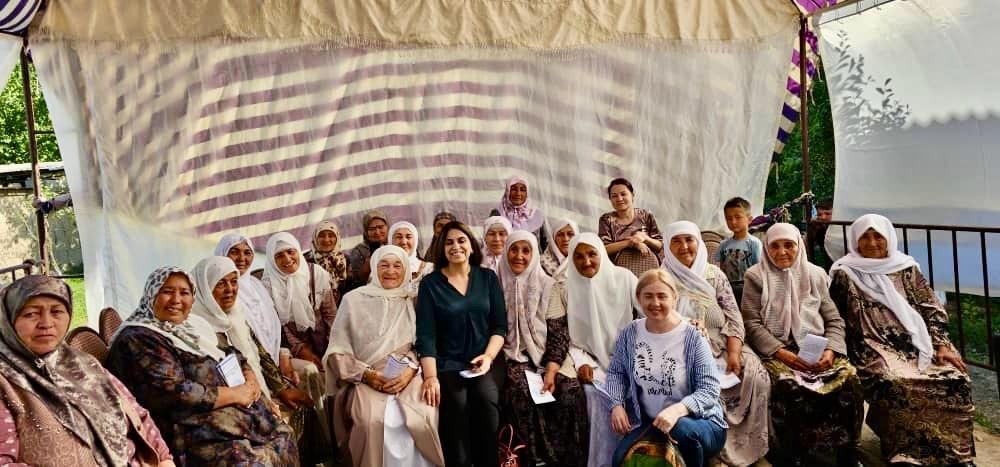
Question: Today you work with the World Bank across Central Asia. How different is this role from your earlier responsibilities?
Harjot Kaur: The World Bank gave me the opportunity to work across countries with diverse cultures and development challenges. My work covers social development aspects across irrigation systems, dams, transport corridors, agriculture, water, urban development, housing and infrastructure. Whenever development affects people’s homes or livelihoods, my responsibility is to ensure fair rehabilitation, protection of their rights and inclusive outcomes. Equally important is ensuring that development policies are implemented effectively and that public resources achieve their intended purpose. Accountability and compassion must always go together.
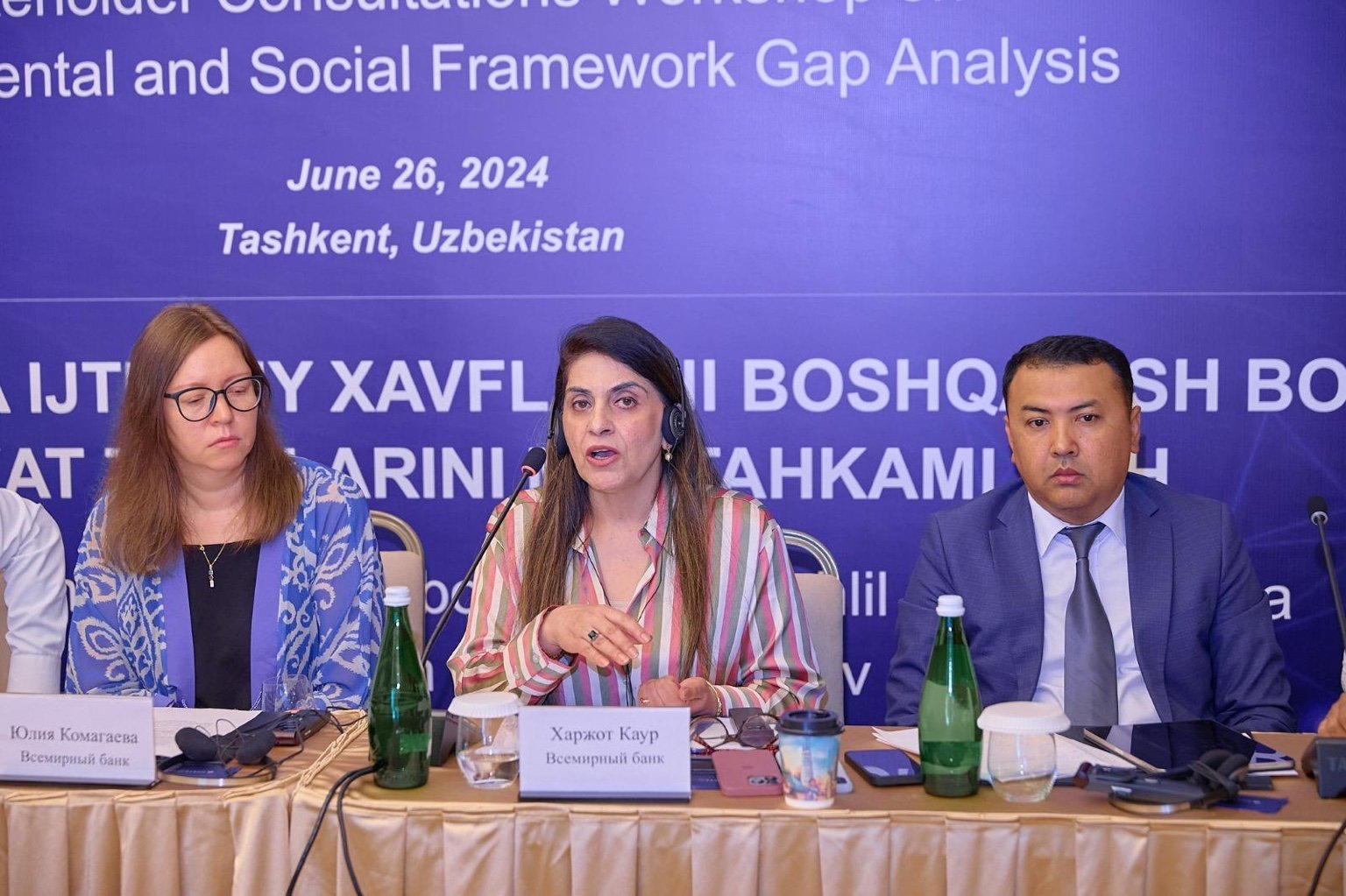
Question: Your career has often focused on women, children and vulnerable communities. Why has that remained such an important priority?
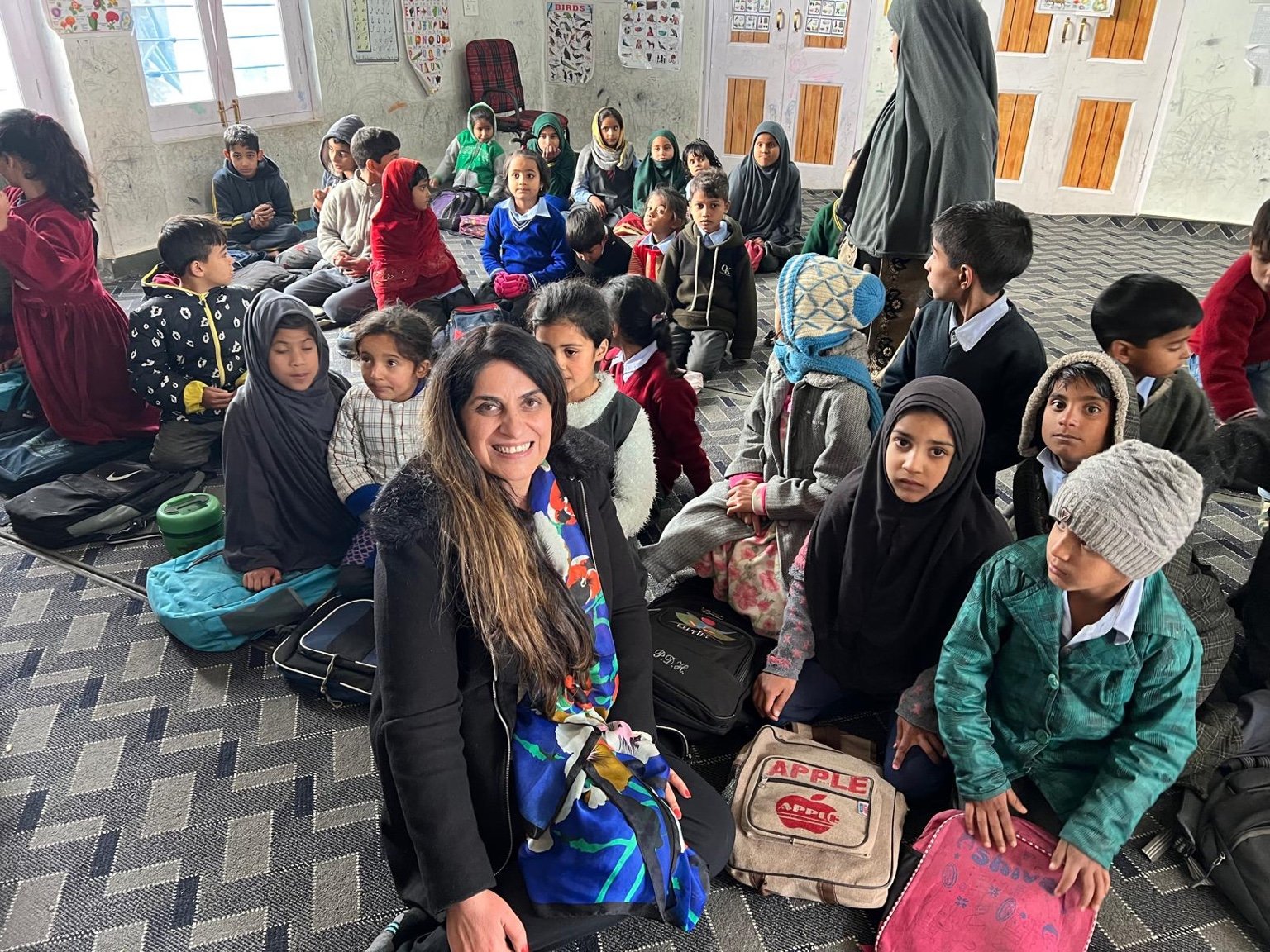
Harjot Kaur: The success of any society is reflected in the lives of its most vulnerable people. My experience has taught me that lasting development begins by investing in people. Children deserve classrooms instead of workplaces. Women deserve opportunities instead of limitations. Communities deserve participation instead of displacement. When these values shape public policy, development becomes meaningful.
Question: After such a distinguished international career, what inspired you to enter the world of cinema?
Harjot Kaur: Cinema has the power to reach hearts in ways policy documents cannot. Over the years, I encountered many stories of courage and resilience that deserved to be shared. PREET grew from that belief. The story was conceived by my son, who studied filmmaking at Boston University and was deeply influenced by the social realities he witnessed while growing up. When he shared the script with me, I immediately recognised the struggles I had seen throughout my own career. As a first-time filmmaker, securing financial support for a socially relevant film was difficult for him. I believed in his vision and invested my personal savings, besides taking financial loans, to help bring the film to life. Producing PREET is, for me, another way of serving society by encouraging empathy, understanding and hope.
Question: What message would you like to leave for young professionals who aspire to make a difference?
Harjot Kaur: Never forget that behind every policy, statistic and development project is a human being. Professional success matters, but compassion gives it meaning. Leadership is not about authority or recognition. It is about responsibility. If your work leaves even one life better than you found it, your journey has been worthwhile.